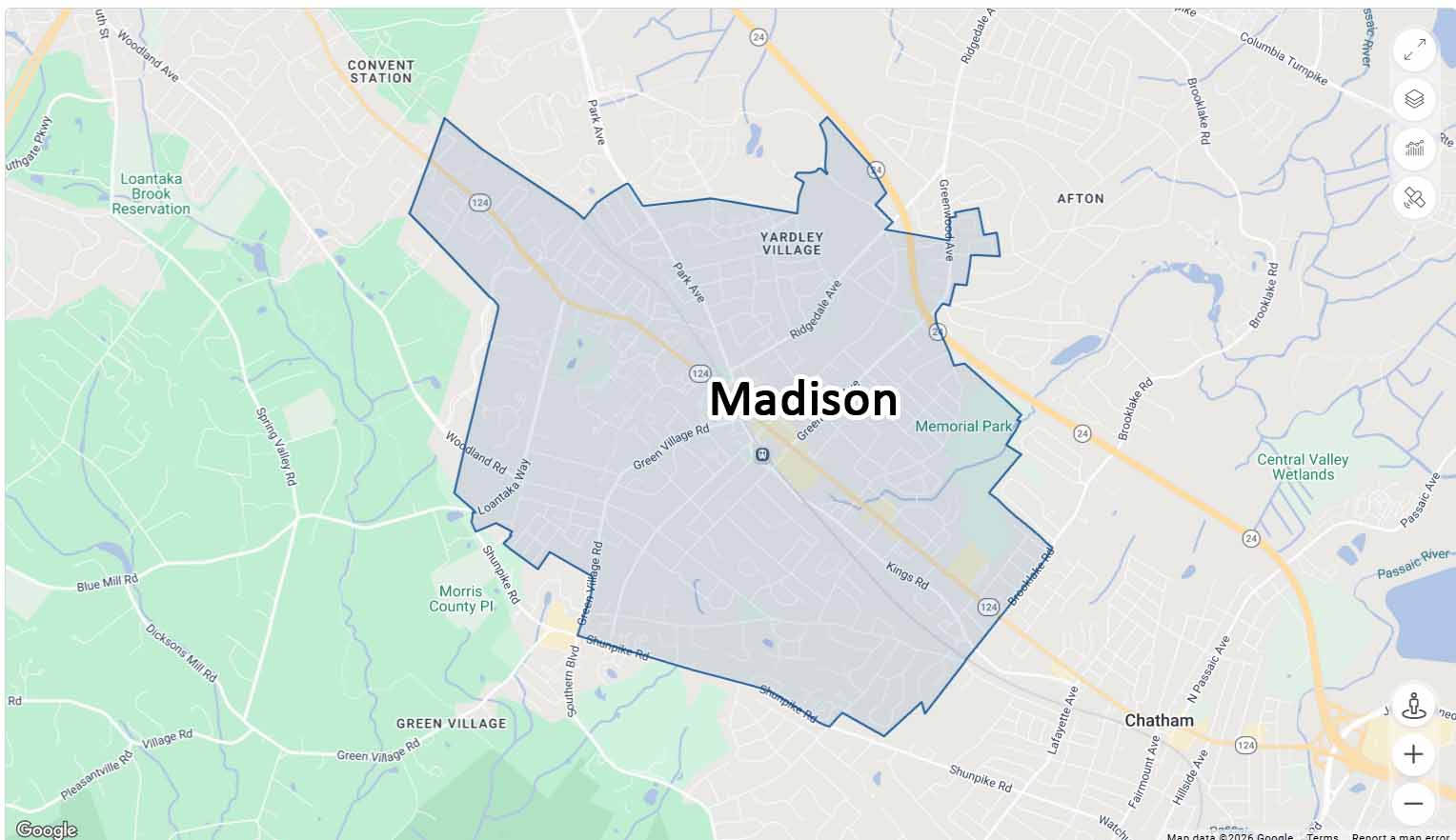
Madison, New Jersey, sources its drinking water primarily from the notorious Buried Valley Aquifer System, utilizing five well facilities built between 1952 and 1967. The groundwater is naturally filtered through sand and gravel deposits in this underground aquifer, which is recharged by local environmental areas such as the Drew Forest. Because the water is sourced from groundwater, it is naturally high in minerals (calcium and magnesium), which creates hard water. More recently, homes are showing very high levels of manganese. If your softener is more than 2 years old, most likely, it no longer produces soft water.
Water Treament Options For Madison & Morris County
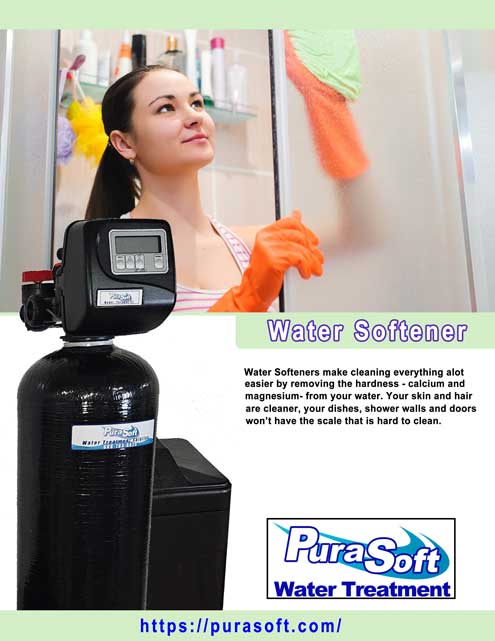
Water Softener
Water Softeners remove the calcium that leaves the white scale, dries and irritates your skin, and scales the pipes and water heater. They remove nothing else and raise the sodium content of your water. Not suitable for drinking..
PFAS-PFOS Removal
Per- and polyfluoroalkyl substances (PFAS) are a large group of synthetic “forever chemicals” that do not break down easily, accumulating in the environment and human body. Our forever chemical filter removes this group of sythetic related chemicals..
Purifier & Softener
Our Puramax series provides whole house Purified Safe Soft water throughout the house without leaving any sodium. Removing the Chlorinated By-Product, PFAS, and ground water pollution make the water safe clean and drinkable from any faucet in the house.
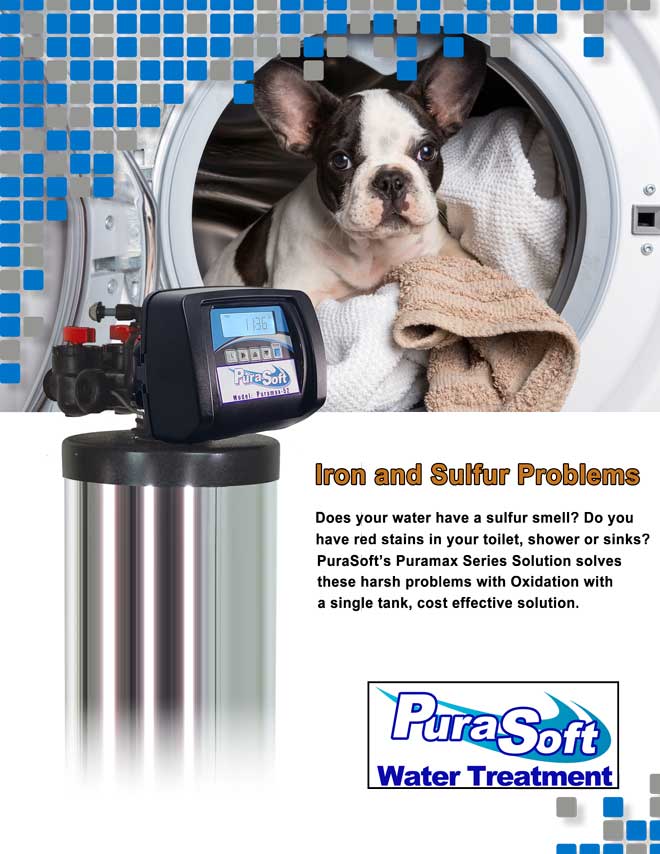
Iron & Sulfur Filter
When your water is sourced from private or community well water, it has an unacceptable amount of Iron and or Manganese that an Iron-Sulfur filter will remove. Sulfur gas from Private wells is removed.
How Safe is Madison Public Water?
Does Madison, NJ Have water treatment for anything besides chlorine disinfection and sediment filtration?
No. Chlorination for disinfection and treatment processes that address naturally occurring Sediment are the only services provided. Chlorine treatment can produce disinfection byproducts such as trihalomethanes (TTHMs) and haloacetic acids (HAAs), which are routinely monitored to ensure compliance with drinking water standards. Residents who want the most current information should review the latest Consumer Confidence Report (CCR) or contact the local water utility directly. For homeowners seeking additional protection from chlorine, chlorinated disinfection byproducts (Trihalomethanes), Hard Water minerals (calcium and magnesium), PFAS, lead, or other contaminants, should seek profession help for a Whole-House System using certified activated carbon filtration that is replaced yearly and hardness removal, or reverse osmosis system that provide treatment at the point of use.