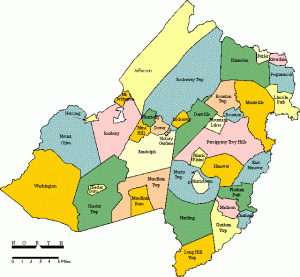
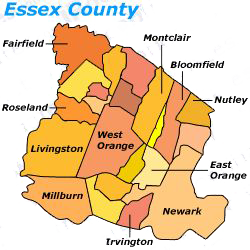
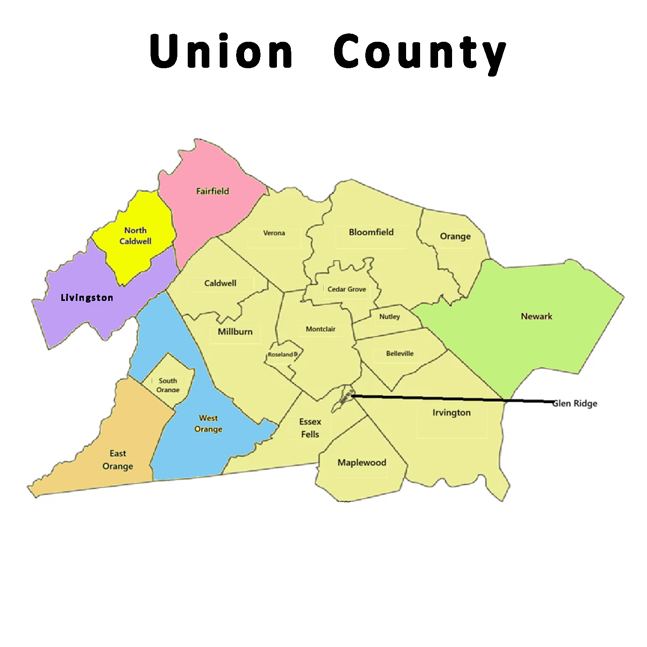
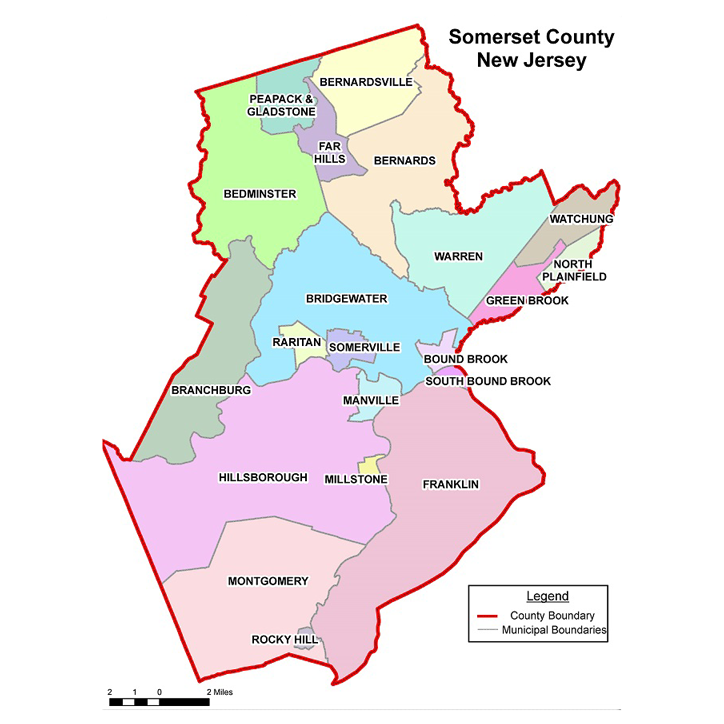
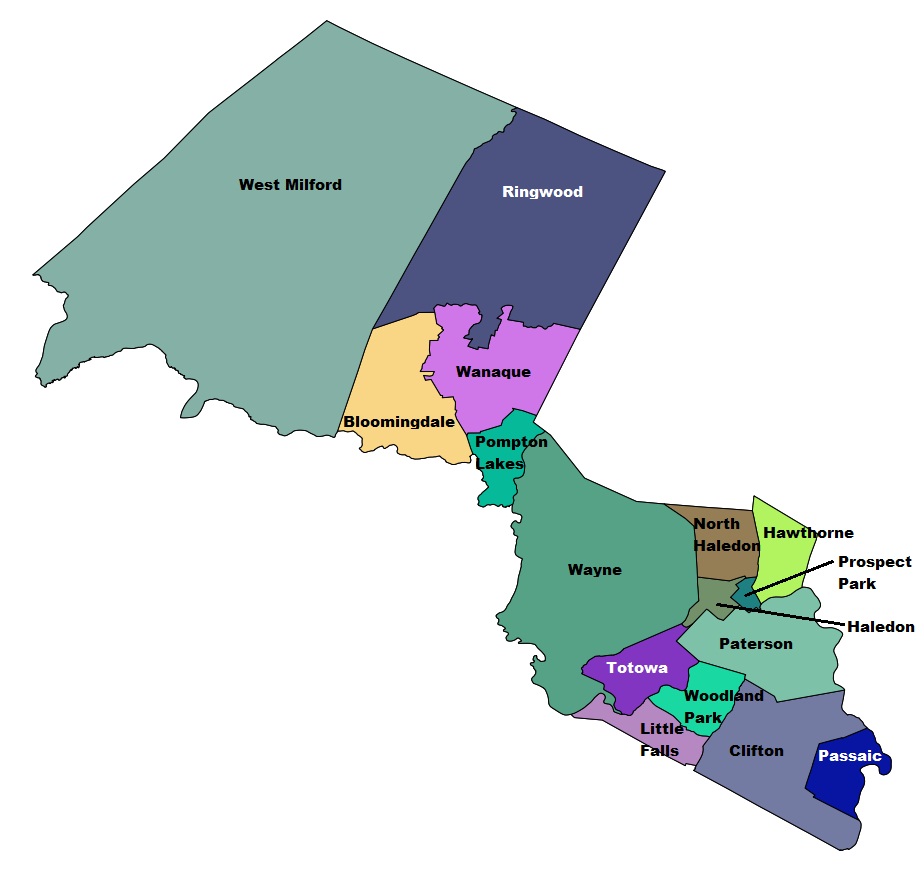


We service these New Jersey Counties. Bergen County, Passaic County, Sussex County, Morris County, Union County, Essex County, Warren County, Somerset County, Hunterdon County, and Middlesex County.
The primary water source in these northern New Jersey Counties is well water drawn from the notorious Buried Valley Aquifer (BVA) System. This water supply faces critical problems including rapid overpumping, significant water level declines, and high vulnerability to synthetic chemicals like PFAS contamination and salt water intrusion.
.
West Orange: West Orange, NJ water is largely sourced from Wanaque Reservoir and Passaic River.
The Potomac-Raritan-Magothy (PRM) aquifer system is a vital, heavily pumped water source for NJ, DE, and VA, generally providing fresh water but facing significant water quality challenges. Major issues include high concentrations of iron and manganese, saltwater intrusion in areas like New Jersey, and contamination from industrial VOCs (volatile organic compounds) and agricultural runoff
Maintaining Water Quality:
Sediments in water can carry harmful contaminants, including heavy metals, bacteria, and organic pollutants. Removing them ensures clean and safe water for drinking, irrigation, and industrial processes.
Protecting Equipment and Infrastructure:
Accumulated dissolved dirt can lead to blockages, corrosion, and wear and tear on pipes, valves, and machinery. Removal extends the lifespan of these systems.
Enhancing Efficiency:
In-home appliances are affected by city water or private well water and will reduce the efficiency of water heaters, dishwashers and other equipment. Cleaning improves operational performance and reduces energy consumption.
Improved Health and Safety:
Clean water systems free from dissolved dirt, PFOAS, Sulfur Gas, Rust that reduce the risk of waterborne illnesses and ensure compliance with safety standards.
Cost Savings:
Preventing damage to equipment and infrastructure avoids costly repairs and replacements. Additionally, efficient systems reduce energy and operational costs.
Better Performance:
Your clothes washer, dish washer, water heater and any domestic systems operate more smoothly when free of scale and dirt improving efficiency and reducing downtime.
Aesthetic and Functional Benefits:
Will bathroom sinks, bathtub, and shower look showroom perfect in ten years or will you have to replace them at a staggering price because you failed to clean the water. Removing scale from surfaces like kitchen, bathrooms, pools, or fountains improves both their appearance and usability.
Veolia Northern New Jersey System.
Passaic Valley Water Commission (PVWC):.
Various Municipal Systems, Saddle Brook, Garfield, and Ho-Ho-Kus use surface water. Mahwah and Ramsey use well water from the Brunswick aquifer system and the Ramapo River Valley Aquifer both rated very hard with high manganese.
Water Hardness: Bergen County water is generally
considered “hard,” typically around 15 grains per gallon (gpg)
PFAS (“Forever Chemicals”): Some areas in Bergen County have historically recorded high levels of PFAS
Because of recent ground water changes as of 2025, water softener over 2 years old in Bergen County on community well systems or private wells no longer produce soft water.
Water Treatment In Bergen County NJ Water Treatment In Mahwah NJ
Water Systems
Water in Essex County, NJ, comes from a mix of surface water reservoirs and Buried Valley Aquifer (BVA) System
Major sources include the North Jersey District Water Supply Commission (Wanaque Reservoir), the Delaware and Raritan (D&R) Canal, and local underground
Water Hardness: Essex County water is generally
considered “very hard,” typically around 18 grains per gallon (gpg).
PFAS (“Forever Chemicals”): Some areas in Essex County have historically recorded high levels of PFAS
Water Systems
Morris County Municipal Utilities Authority (MCMUA)
MCMUA and The Southeast Morris County Municipal Utilities Authority use (SMCMUA) operate a major water system utilizing eight deep wells in two well fields, the Buried Valley Aquifer System, Alamatong Wellfield and Flanders Valley supplying water to municipalities, water companies, and residents in Morris County, NJ.
Water Hardness: Morris County water is generally
considered “very hard,” typically around 18 grains per gallon (gpg).
PFAS (“Forever Chemicals”): Some areas in Morris County have historically recorded high levels of PFAS
Water Systems
Passaic Valley Water Commission (PVWC):.
Various Municipal Systems:.Lodi – Passaic River, North Arlington – Passaic River, High Crest – Kakeout Reservoir, and Post Brook – wells
Water Hardness: Passaic County water is generally
considered “not hard,” typically around 5 grains per gallon (gpg),except for Post Brook
PFAS (“Forever Chemicals”): Some areas in Passaic County have historically recorded high levels of PFAS
Water Systems
In Somerset County NJ, Warren, Bernards Township & Bernardsville, Rocky Hill Borough and Franklin draw their water from the Buried Valley Aquifer (BVA) System, while a significant portion in the upper Raritan River watershed, relies on private wells for drinking water.
According to the Raritan Headwaters Association, 80% of households in the upper watershed area across Somerset, Hunterdon, and Morris counties use private wells
Water supplier is The NJ American Water (NJAW)
Water Systems
In Union County, NJ, Summit, New Providence, and Clark draw their water from the Buried Valley Aquifer (BVA) System, while the rest draw their water from a mix of the (BVA) and the Raritan River, Millstone River, and the Delaware & Raritan Canal
Water supplier iis the The NJ American Water (NJAW) Raritan System,
Contamination Issues: In October 2021, reports identified that water from the Park Avenue Treatment Plant—serving areas including Clark and Rahway—exceeded state limits for PFAS chemicals, which is often a concern for well-dependent systems.
Water Hardness: Essex County water is generally
considered “hard,” typically around 10 – 18 grains per gallon (gpg).
PFAS (“Forever Chemicals”): Some areas in Union County have historically recorded high levels of PFAS
Middlesex Water Company.
Primary sources include the Delaware and Raritan (D&R) Canal, The Brunswick aquifer system, and localized wellfields, rated very hard with high manganese.
Water Hardness: Middlesex County water is generally
considered “hard,” typically around 15 grains per gallon (gpg)
PFAS (“Forever Chemicals”): Some areas in Middlesex County have historically recorded high levels of PFAS
The Brunswick aquifer system in New Jersey generally provides hard, fresh, and slightly alkaline water, but it is highly vulnerable to localized contamination, including PFAS, VOCs, and saltwater intrusion. While often compliant with federal standards, the water often contains high levels of dissolved solids and requires treatment for contaminants.
Because of recent ground water changes as of 2025, water softeners over 2 years old in Bergen County on community well systems or private wells no longer produce soft water.